
Get Lilac Pruning Service in Des Moines, IA
Local contractors in Des Moines, IA, can handle lilac pruning to improve plant health, shape bushes, remove dead branches, and maintain a tidy landscape.
If you’re a property owner in Des Moines, IA, considering lilac pruning services, you’re in the right place to explore your options. Proper pruning can help maintain the health, shape, and appearance of lilac bushes, ensuring they remain a beautiful feature of your landscape. Many property owners choose to plan these projects carefully and compare local service providers to find the right fit for their needs, whether for routine maintenance or more extensive shaping efforts.
By connecting with experienced local contractors, you can access expertise tailored to the specific climate and soil conditions of Des Moines. Evaluating different providers allows property owners to make informed decisions about how best to care for their lilacs, helping to enhance curb appeal and promote healthy growth. Keep reading to learn more about how professional pruning services can support your landscape goals.
- Lilac Pruning - needed when lilacs have become overgrown or unruly, affecting their health and appearance.
- Tree and Shrub Trimming - required to maintain the shape and vitality of lilacs in neighborhoods like Sherman Hill or Beaverdale.
- Deadheading and Thinning - performed to encourage more blooms and improve airflow for lilacs that are blooming sporadically.
- Seasonal Pruning - essential for preparing lilacs for spring growth or removing winter damage in Des Moines areas.
- Health and Disease Management - necessary when signs of pests or disease appear on lilacs in yards across central Iowa.
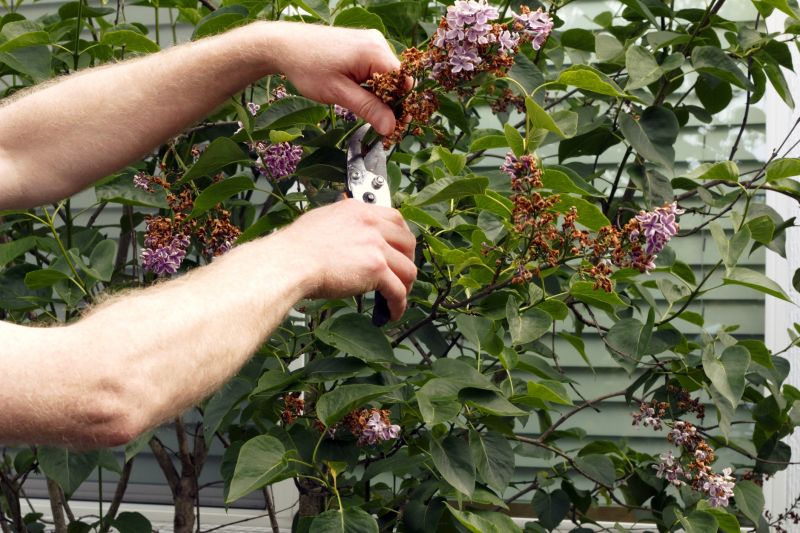
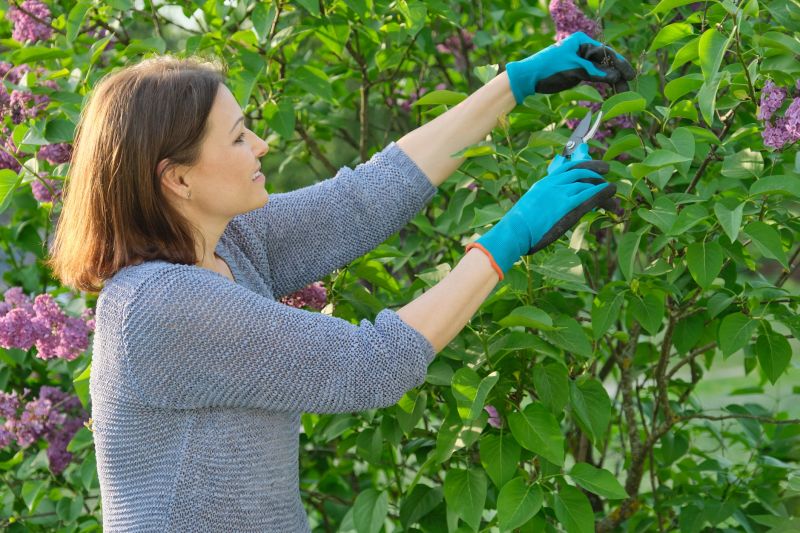
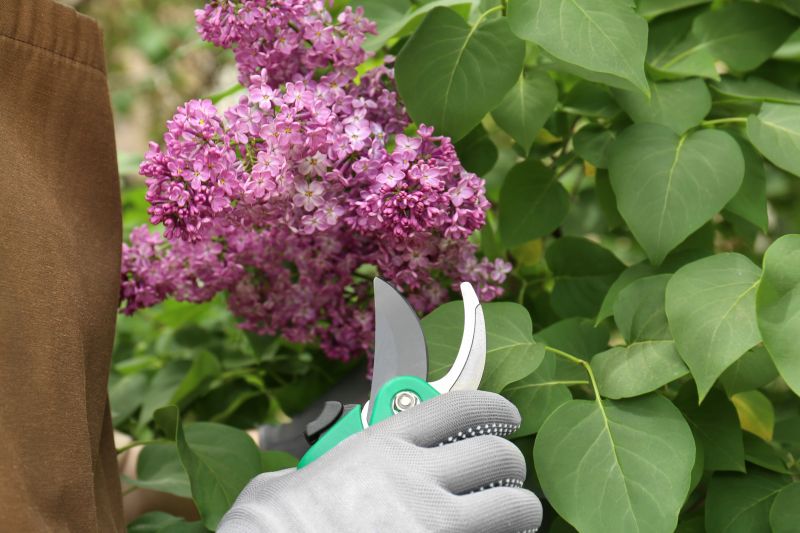
Lilac pruning services involve carefully trimming and shaping lilac bushes to promote healthy growth and a vibrant appearance. This process typically includes removing dead, damaged, or diseased branches, as well as thinning out dense areas to improve air circulation. Proper pruning encourages better flowering each season and helps maintain the overall health of the shrub. Service providers use specific techniques suited to lilacs to ensure the plant remains strong and attractive, making it easier for homeowners to enjoy lush, colorful blooms year after year.
Regular lilac pruning can also address common problems such as overgrowth, which can lead to a tangled or unmanageable appearance. Without proper maintenance, lilacs may become too dense, reducing airflow and increasing the risk of disease or pest infestations. Overgrown bushes can also block pathways or encroach on structures, creating safety hazards or diminishing curb appeal. Local contractors can assess the condition of the bushes and recommend appropriate pruning strategies to keep the plants healthy and the property looking well-maintained.
This service is often used on residential properties with established gardens, especially in neighborhoods where curb appeal is important. Homeowners with larger yards, historic homes with mature landscaping, or those who want to keep their gardens looking tidy often seek professional lilac pruning. Commercial properties, such as parks or community gardens, may also benefit from regular pruning to maintain a neat appearance and ensure the health of their plantings. These services are suitable for anyone who notices their lilacs becoming overgrown, less vibrant, or difficult to manage on their own.
By hiring local contractors for lilac pruning, property owners can ensure that their bushes receive the proper care they need to thrive. Professionals bring the experience to identify which branches to remove and how to shape the plant for optimal growth. This service can help prevent future problems like disease, pest issues, or structural damage caused by neglect. Whether for aesthetic reasons or plant health, lilac pruning is an effective way to keep gardens looking their best and to support the long-term vitality of these flowering shrubs.
The overview below groups typical Lilac Pruning Service projects into broad ranges so you can see how smaller, mid-sized, and larger jobs often compare in Des Moines, IA.
In many markets, a large share of routine jobs stays in the lower and middle ranges, while only a smaller percentage of projects moves into the highest bands when the work is more complex or site conditions are harder than average.
Smaller Pruning Jobs - These routine pruning services typically cost between $150 and $400. Many local contractors handle these smaller tasks regularly, which usually fall into the lower to mid-range costs. Larger or more complex small jobs can reach up to $600.
Medium-Sized Tree Pruning - For more extensive pruning of larger trees or multiple trees, costs generally range from $400 to $1,200. Many projects in this category are common and tend to land in the middle of this range, with fewer reaching the higher end.
Large or Complex Pruning - Large-scale pruning projects, especially involving mature or hard-to-access trees, can range from $1,200 to $3,000. These jobs are less frequent but are typically handled by experienced local pros for safety and precision.
Full Tree Removal or Major Overhaul - Complete removal or significant pruning of large trees often costs $3,000 or more, with some complex projects exceeding $5,000. Such jobs are less common and usually involve detailed planning and specialized equipment.
Actual totals will depend on details like access to the work area, the scope of the project, and the materials selected, so use these as general starting points rather than exact figures.
Tree Trimming and Shaping - professionals skilled in pruning and shaping various trees, including lilacs, to promote healthy growth and aesthetic appeal.
Shrub and Hedge Pruning - contractors experienced in maintaining and shaping shrubs and hedges, utilizing similar tools and planning as lilac pruning.
Garden Bed Maintenance - service providers who manage plant health and aesthetics, often involving pruning, trimming, and selective cutting techniques.
Ornamental Tree Care - specialists who handle the pruning and maintenance of decorative trees, requiring similar planning and pruning skills as lilac services.
Landscape Pruning Projects - projects that involve pruning multiple plant types to improve landscape design and plant health, sharing techniques with lilac pruning.
Fruit Tree Pruning - experts who prune fruit-bearing trees, applying similar planning and pruning methods to ensure optimal growth and fruit production.
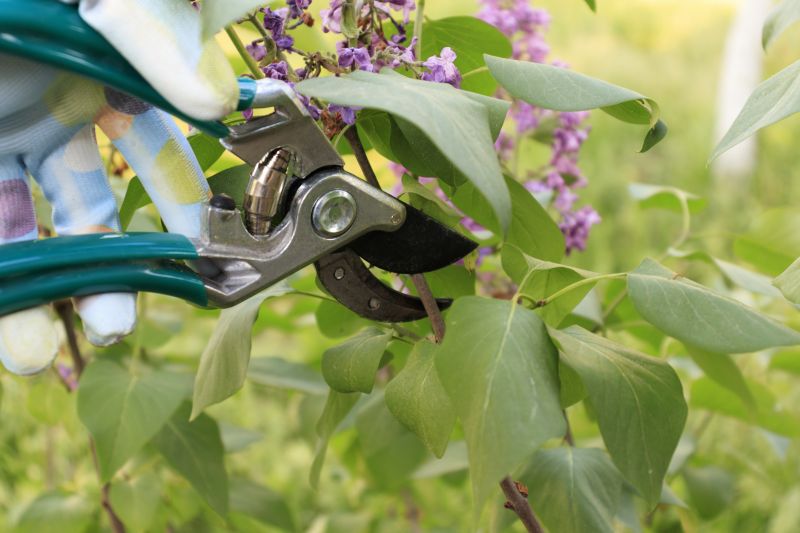
When selecting a contractor for lilac pruning services, it’s important to consider their experience with similar projects. Homeowners should inquire about how long a service provider has been working with lilacs or other flowering shrubs, as well as the types of pruning techniques they typically employ. An experienced local contractor will be familiar with the best practices for maintaining healthy, attractive lilacs and can provide insights into what to expect during the process. This background can help ensure the work will be performed with the appropriate care and expertise, reducing the risk of damage or improper pruning.
Clear, written expectations are vital when comparing local contractors for lilac pruning. Homeowners should seek detailed descriptions of the scope of work, including what specific pruning tasks will be completed and how the contractor plans to approach the project. Having this information in writing helps prevent misunderstandings and provides a basis for evaluating proposals. It also allows homeowners to confirm that the service provider understands their goals and can deliver the desired results, making the selection process more transparent and straightforward.
Reputable references and effective communication are key factors in choosing a reliable local contractor. Homeowners can ask for references from previous clients who had similar lilac pruning work done and follow up to learn about their experiences. Good communication throughout the process - including responsiveness to questions and clarity about procedures - can make the entire experience smoother. Remember, this site introduces homeowners to local service providers capable of handling the work; it does not perform the work itself. Taking the time to verify experience, expectations, and communication can help ensure a satisfying outcome when hiring a professional for lilac pruning services.
Property owners in Des Moines, IA use Lilac Pruning Service services for practical projects around their homes and businesses. This guide focuses on everyday jobs and straightforward project options.
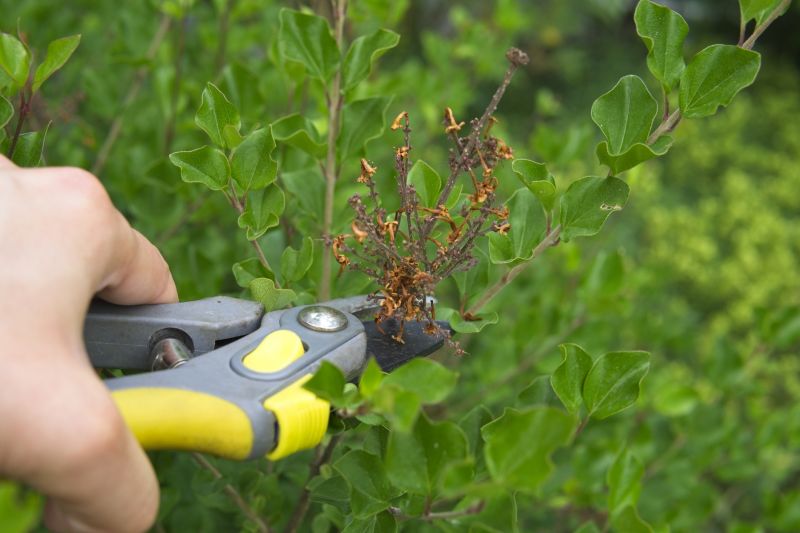
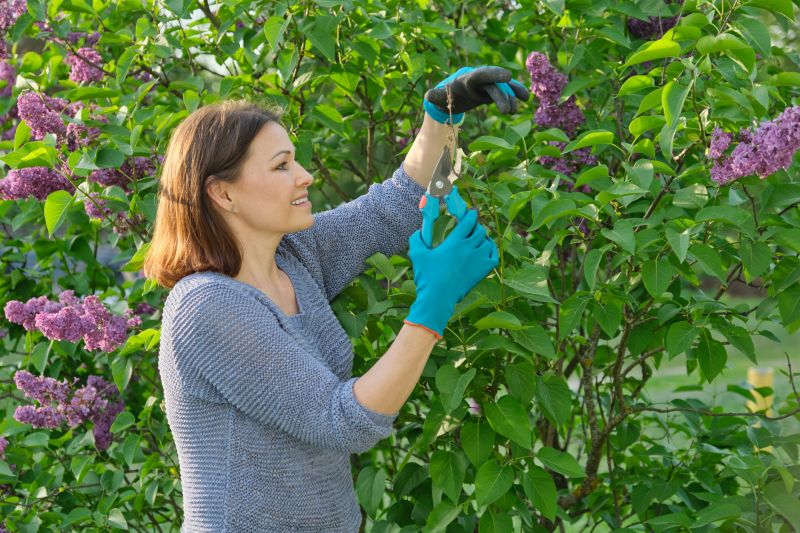
Property owners in Des Moines, IA often seek professional lilac pruning services to maintain the health and appearance of their bushes. Overgrown or misshapen lilacs can detract from the overall curb appeal and may hinder the plant’s growth. Local contractors can help shape and trim these shrubs to ensure they stay vibrant and well-maintained, especially after the blooming season when trimming can promote better flowering in the following year.
Additionally, many residents look for lilac pruning assistance to prevent potential issues like disease or pest infestations. Proper pruning can improve air circulation around the shrubs, reducing the risk of problems that could compromise their vitality. Service providers in the area are experienced in handling these routine projects, making it easier for property owners to keep their gardens healthy and attractive throughout the year.
Why should I prune lilacs regularly? Regular pruning helps maintain the shape, encourages healthy growth, and promotes abundant flowering for lilacs in Des Moines and nearby areas.
When is the best time to prune lilacs? The ideal time to prune lilacs is immediately after they finish blooming, typically in late spring or early summer, to ensure healthy development for the next season.
What tools are needed for lilac pruning? Common tools include pruning shears or loppers for smaller branches and a pruning saw for thicker stems, which local contractors can recommend based on your lilac’s size.
Can lilacs be pruned to control their size? Yes, pruning can help manage the size and shape of lilacs, making them more suitable for your landscape, with guidance from local service providers.
Is professional pruning necessary for healthy lilacs? While some pruning can be done by homeowners, professional contractors can ensure proper techniques that support the plant’s health and flowering potential.
Tree Health Improvement - Regular lilac pruning helps maintain healthy growth and prevents disease, ensuring the shrub remains vibrant and strong.
Property Aesthetics - Proper pruning shapes lilacs to enhance curb appeal and creates a tidy, well-maintained landscape.
Safety and Clearance - Trimming back overgrown branches can prevent hazards and improve visibility around walkways and driveways.
Flower Production Boost - Pruning at the right times encourages more abundant and larger blooms each season.
If you are thinking about Lilac Pruning Service for a property in Des Moines, IA, this guide is meant to help you understand the work, the typical project types, and how different options might fit your plans.
When you are ready, you can use the quote form on this page to share a few details about your project. From there, local pros can review the basics and respond with options that match what you have in mind.